Creating the technology (1920s)
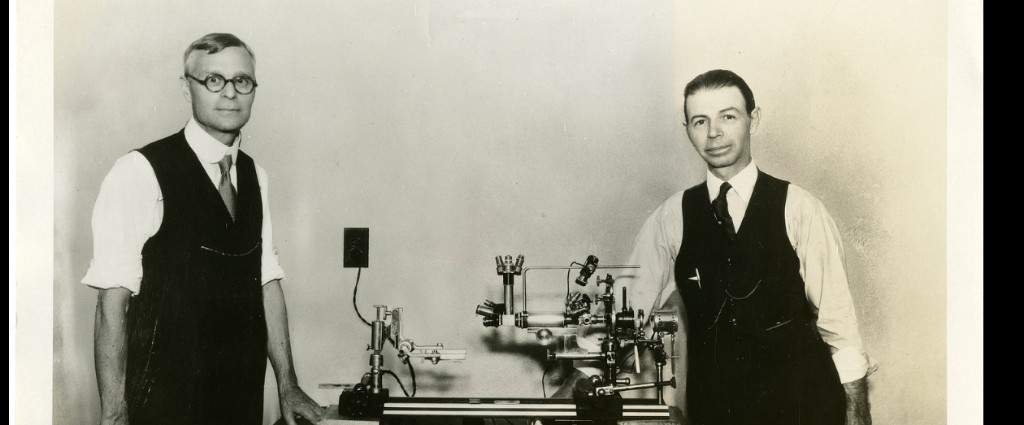
Microscope: Rife built a “universal microscope” that magnified objects 60,000 times (the previous maximum was about 2,000).
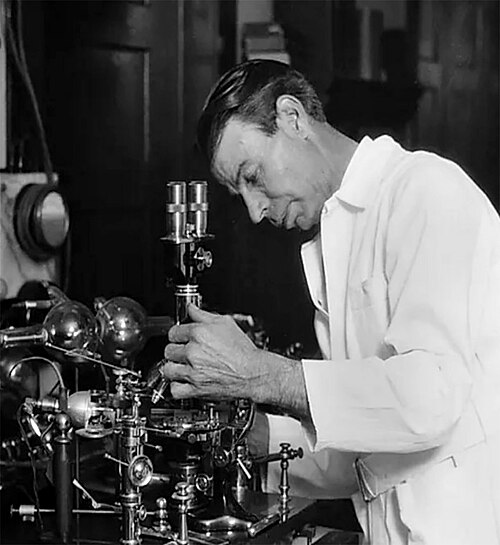
How it worked: the device used prisms and light waves. It stained viruses without chemicals and allowed them to be observed alive.
Discovery: Rife claimed that through the microscope he found the organism causing cancer — the “BX virus.”
Treatment method and first trials (1930s)
Generator: he created a frequency device (Rife Ray Tube) that emitted low-power radio waves.
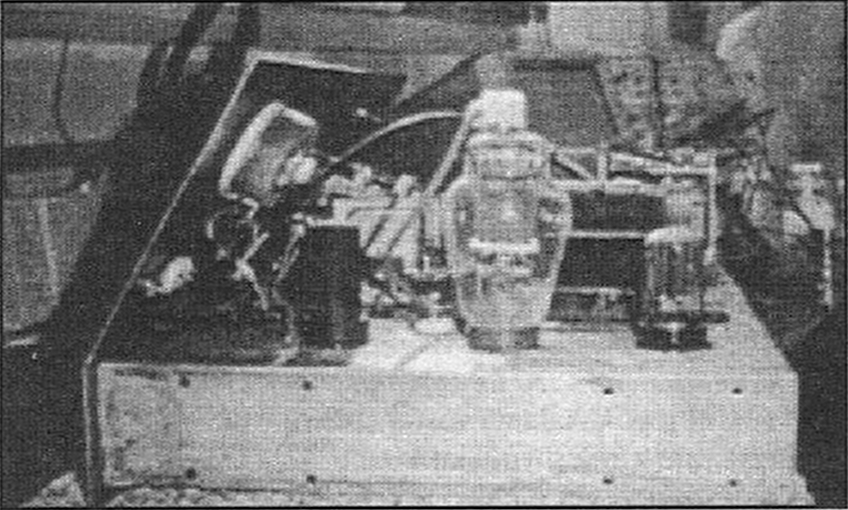
Resonance (MOR): Rife identified each microbe’s individual vibration frequency. For example, the cancer BX virus was said to die at 11,780,000 Hz; tuberculosis at 369,000 Hz.
Effect: when the exact wave was emitted, the viral envelope ruptured by resonance (like a wine glass shattering from an opera singer’s voice). Healthy human cells were said to remain unaffected.
Sessions: patients sat near the device twice a week for only 3 minutes so the body would not be poisoned by toxins from destroyed viruses.
First animal trials: before human testing, Rife ran thousands of trials on lab rats. He deliberately infected them with cancer (via the BX virus) and then reportedly cured them with frequencies at 100% effectiveness.
The 1934 experiment and other clinical cases
Official test: the University of Southern California medical committee trialed the device in a special clinic. All 16 terminal cancer patients were reportedly fully cured within 130 days.
Support: leading U.S. physicians signed the treatment report, including University of Chicago bacteriology dean Arthur Kendall and Southern California Medical Society president Milbank Johnson.
Other large cases: beyond the 16-patient group, the method was reportedly used successfully elsewhere: Dr. Arthur Yale’s clinic (San Diego) cured dozens of patients with various skin cancers and severe infections.
Dr. James Couche’s practice: over years in his own office he reportedly cured hundreds of patients with severe infections, arthritis, and chronic ulcers. He wrote that the device performed miracles.
Suppression, betrayal, and destruction (from 1939)
Refusal to sell: AMA leader Morris Fishbein offered to buy Rife’s technology. Rife refused, believing they wanted to lock up the device and protect the drug business.
Assistant’s betrayal: Rife’s chief lab assistant, Philip Hoyland, was reportedly bought by AMA lawyers. Hoyland sued the company from within, stole critical microscope parts, and paralyzed Rife’s work so he could no longer build new devices.
Persecution of physicians: the AMA officially banned doctors from using the device and publishing articles. Dr. Arthur Kendall was stripped of his practice, received a large sum from an unknown source, and moved to Mexico, where he remained silent for life.
Dr. James Couche was forced to publicly renounce the device to keep his license. Dr. Milbank Johnson died in hospital in suspicious circumstances in 1944, days before a press conference where 1934 documents were to be released. After his death, all medical records vanished.
Material destruction: an independent New Jersey laboratory that successfully tested Rife’s method was burned to ashes in a single night.
The end: lawsuits shut down the Beam Ray company. Documents were confiscated, and Rife died in poverty in 1971.